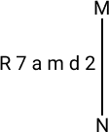
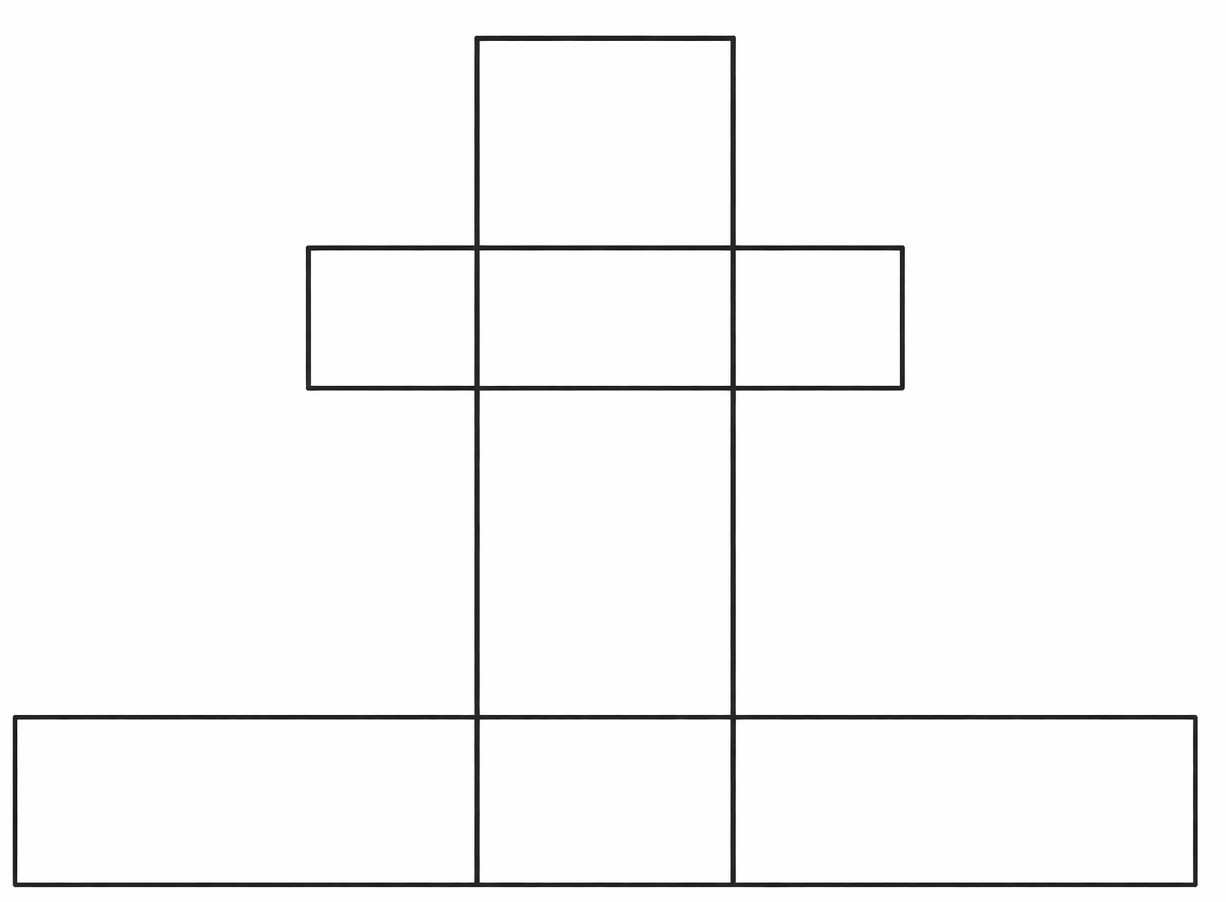
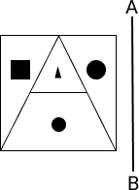
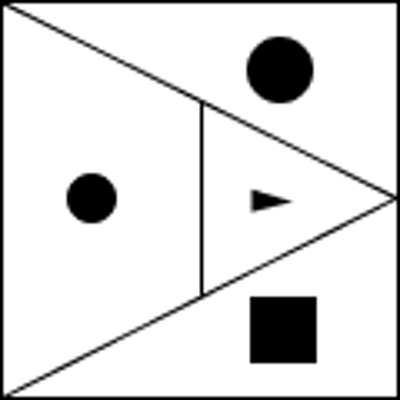
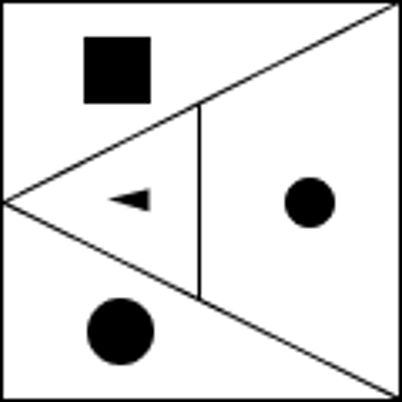
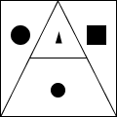
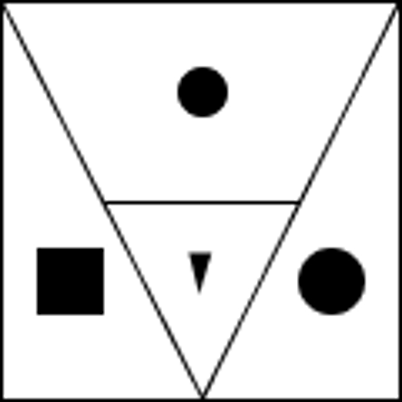
Three of the following four are alike in a certain way and thus form a group. Which is the one that does NOT belong to that group?
(Note: The odd one out is not based on the number of consonants/vowels or their position in the letter cluster.)
In a certain code language,
‘A + B’ means ‘A is the sister of B’,
‘A – B’ means ‘A is the brother of B’,
‘A × B’ means ‘A is the father of B’,
‘A ÷ B’ means ‘A is the daughter of B’.
Based on the above, how is K related to P if ‘J ÷ K + L × O – P’?
What will come in the place of the question mark (?) in the following equation, if ‘+’ and ‘−’ are interchanged and ‘×’ and ‘÷’ are interchanged?
17 ÷ 4 − 28 + 125 × 5 = ?
Three statements are followed by conclusions numbered I, II. You have to consider these statements to be true, even if they
seem to be at variance with commonly known facts. Decide which of the given conclusions logically follow/s from the given statement.
Statements:
All ground is wind.
Some tables are ground.
All wind is earth.
Conclusion (I): No tables are earth.
Conclusion (II): All earth is ground.